Loss Of Role
No longer being able to work, parent, care, lead or contribute in the same way.
Pain is often only part of the challenge. Many people find themselves struggling with confidence, identity, purpose, relationships and uncertainty about the future long after the physical injury occurred.
Chronic pain and injury recovery are often discussed as physical problems. Pain, mobility, strength, fatigue and sleep all matter. But the impact rarely stops there.
An injury can change how a person moves through the world. It can affect independence, confidence, relationships, employment, social life and the way the future is imagined.
The injury may affect the body, but its consequences often extend far beyond the physical symptoms.
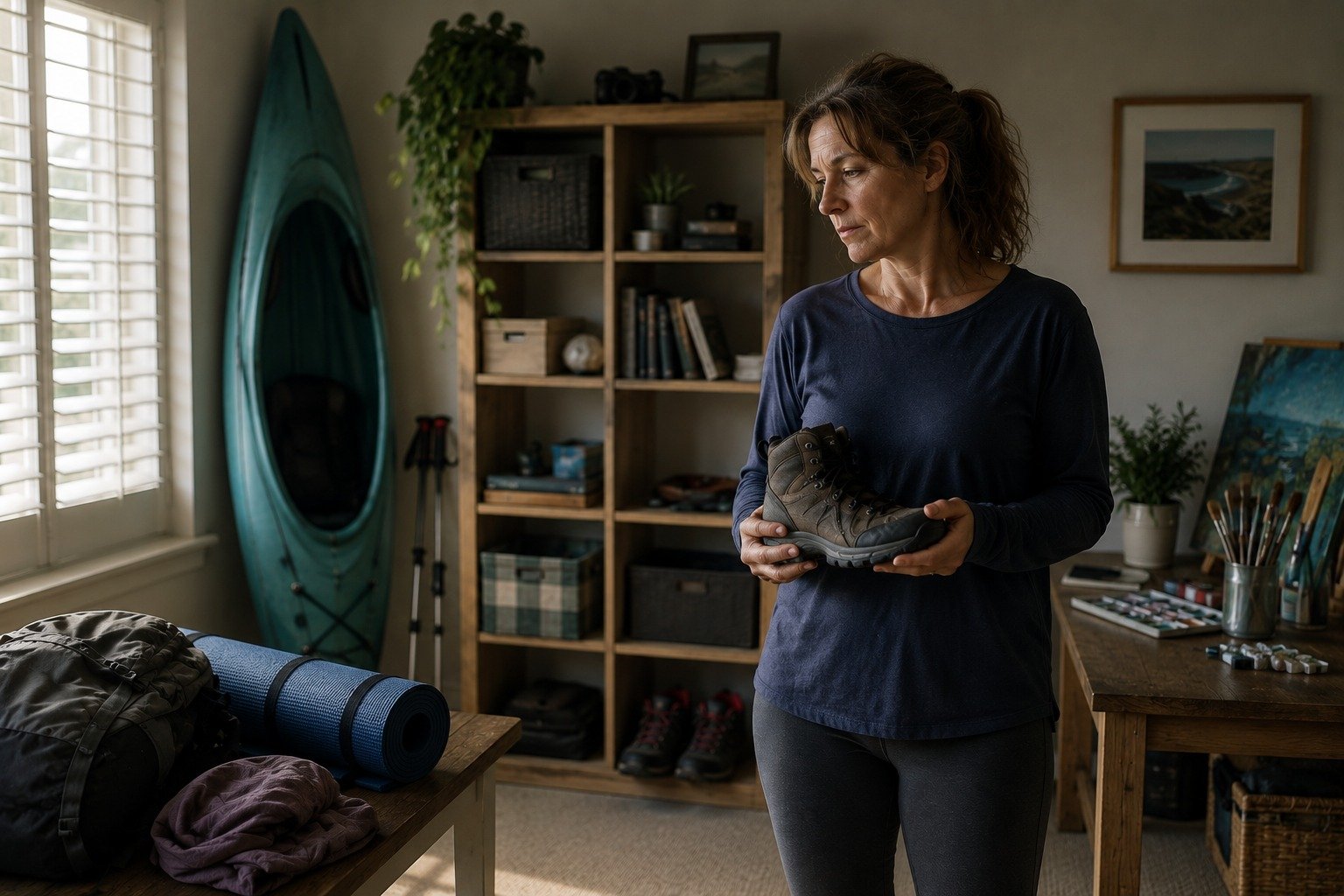
Many injured people are expected to focus on symptoms, appointments and treatment plans. Yet some of the hardest losses are not always visible on scans, reports or claim documents.
The loss may be a role, routine, income, identity, activity, confidence, independence or the simple ability to trust the body again.
No longer being able to work, parent, care, lead or contribute in the same way.
Becoming uncertain about movement, capability, endurance or the body's reliability.
Appointments, restrictions and pain beginning to organise the week.
Having to renegotiate expectations about work, retirement, activity and identity.
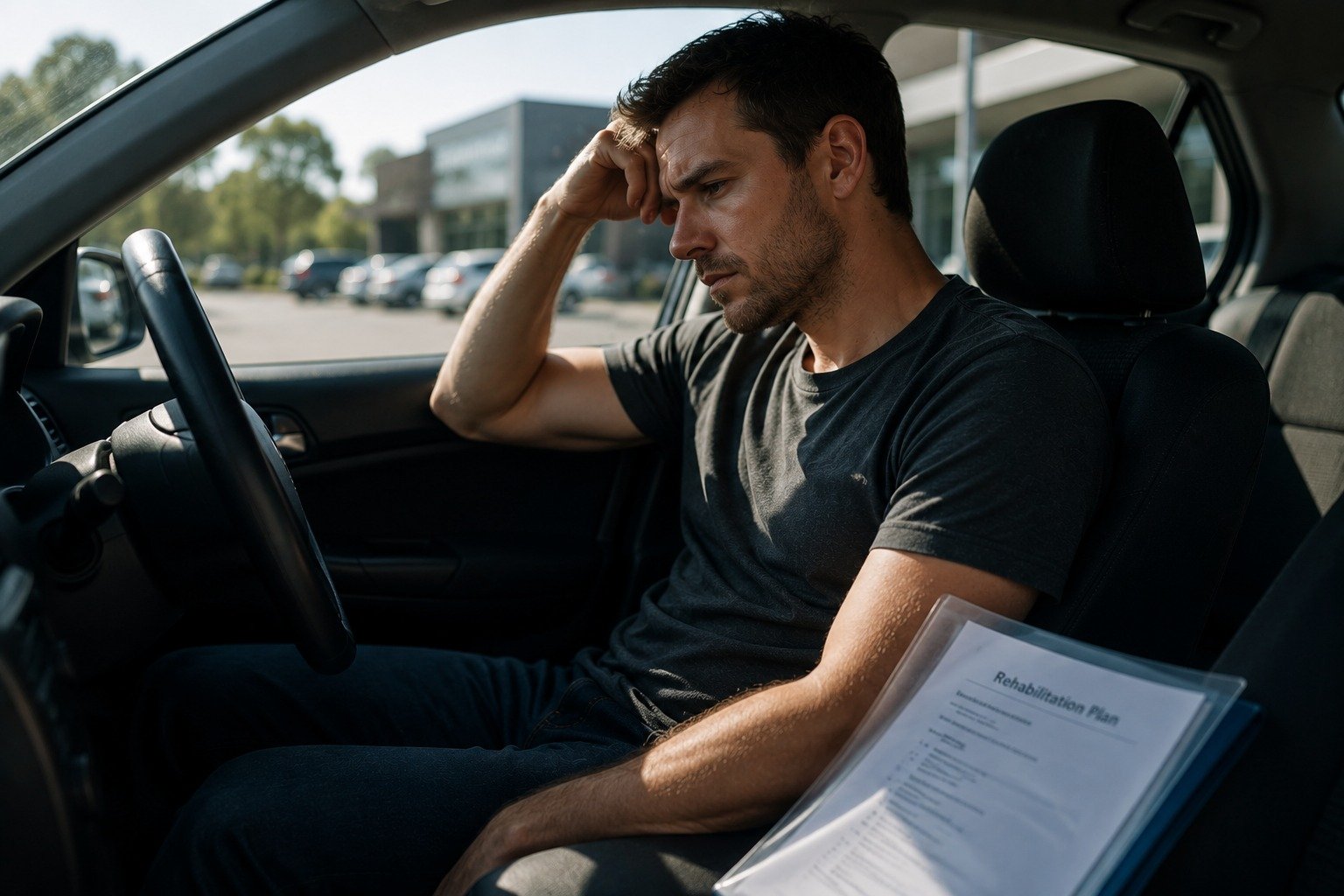
Many people tell themselves the injury was not serious enough to explain how much their life has changed. They compare themselves with others and wonder why they are not coping better.
A more useful question is not simply, “How bad was the injury?” It is:
What did this injury take from my life, and what now needs to be rebuilt?
You are not simply recovering from an injury. You may also be adapting to a different version of life than the one you expected.
Recovery can become exhausting when progress is slow, setbacks occur, pain fluctuates and every appointment seems to create more questions. The uncertainty can become as difficult as the injury itself.
People may begin to feel trapped between medical appointments, rehabilitation expectations, insurance processes, work pressures and the private reality of living with pain or limitation every day.
The exhaustion of repeated appointments, forms, assessments and explaining the same story again.
Not knowing whether life will return to what it was, or what a realistic future now looks like.
Feeling judged, misunderstood or reduced to symptoms, restrictions and capacity statements.
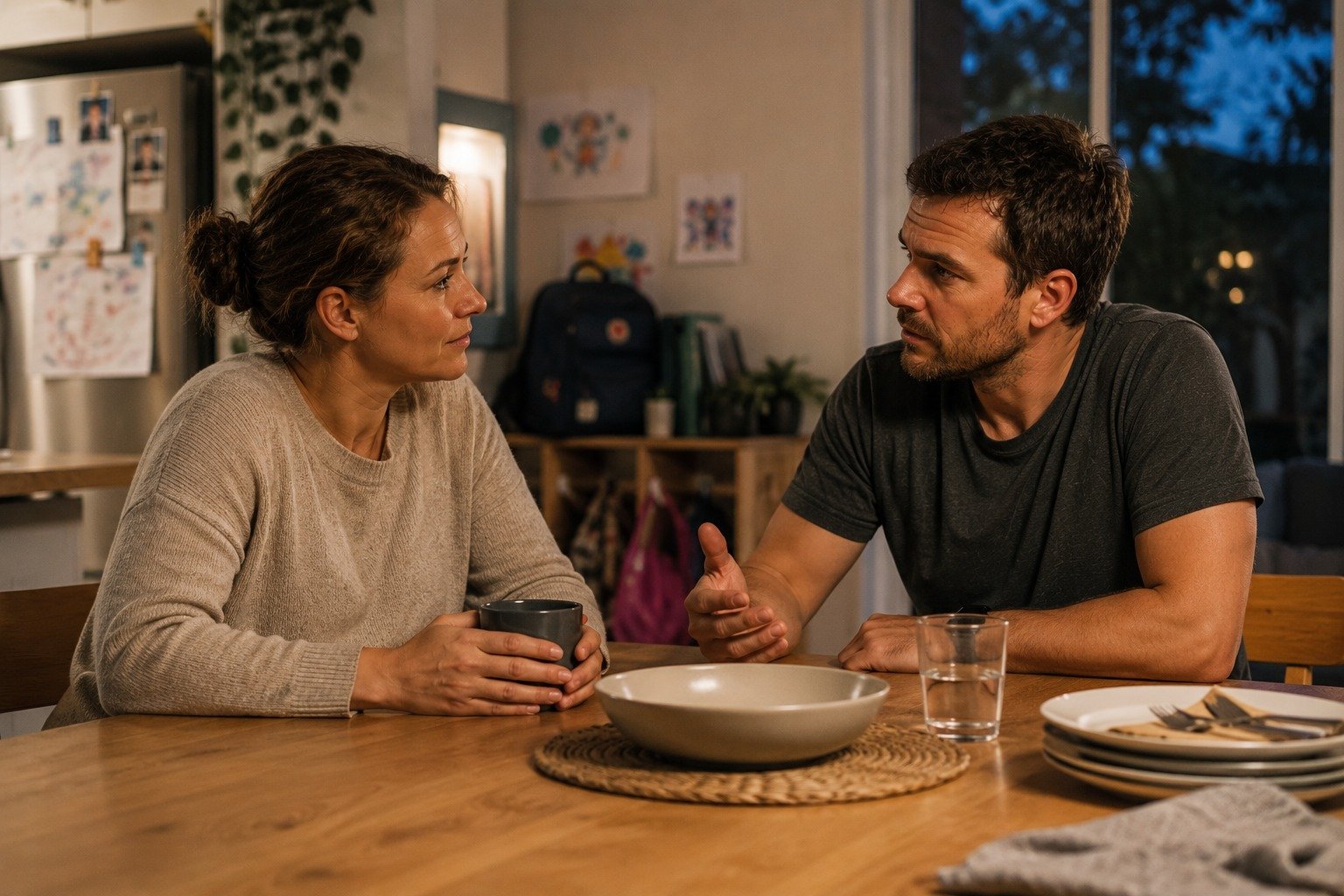
Injury changes more than the injured person. Partners, children, family members and close friends may all have to adjust to new limits, new roles and new pressures.
The person who once provided support may now need support. The person who once managed everything may now feel dependent. These changes can create frustration, guilt, grief and tension even in strong relationships.
Psychological recovery often includes learning how to talk about the impact of injury without letting pain become the only story in the home.
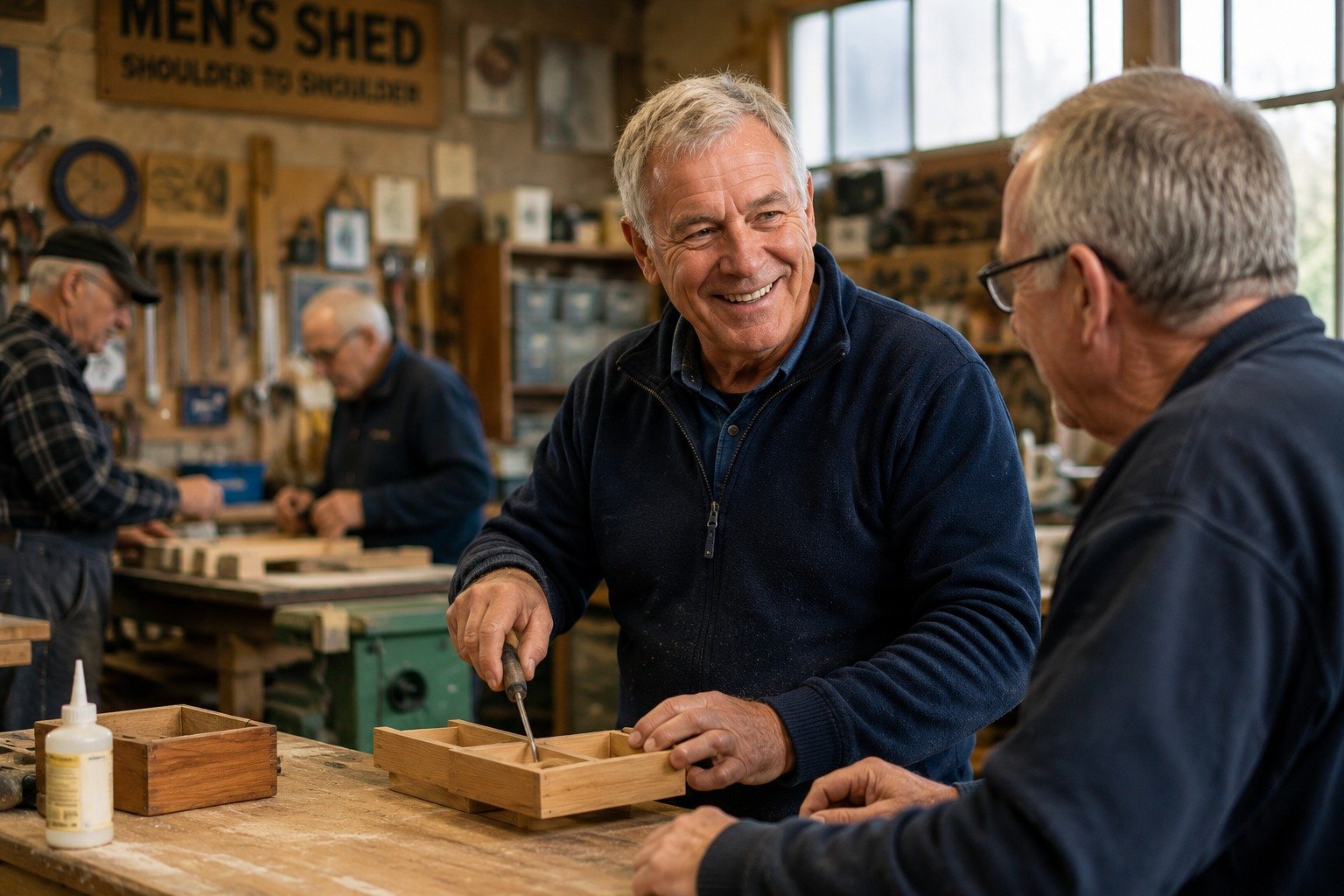
Pain reduction matters, but recovery is often broader than pain intensity. It may involve rebuilding confidence, re-engaging with life, finding new meaning, developing new goals and reclaiming identity.
David has extensive experience working with the psychological impact of injury, chronic pain, workplace injury, adjustment difficulties and the rebuilding of life after significant disruption.
The focus is not simply on symptom reduction. It is on helping people understand what has changed, what has been lost, what can be rebuilt and how life can become larger than the injury.
Support for the emotional, behavioural and identity impact of ongoing pain.
Understanding the pressures that can arise when injury affects work, income and role.
Helping people adapt to changed capacity without becoming defined by limitation.
Building practical, realistic pathways back toward confidence, purpose and participation.
If pain, injury or loss of function has changed your confidence, identity, relationships or future direction, psychological support may help you rebuild a life that is larger than the injury.
Start A Confidential Enquiry